
Seasonal Tips: Preparing Your Business for AI Integration

Understanding the Importance of AI Integration
As technology continues to evolve, integrating artificial intelligence (AI) into your business operations isn't just a trend—it's becoming a necessity. AI can streamline processes, improve customer experiences, and provide valuable insights. Preparing your business for AI integration can give you a competitive edge, but it requires careful planning and execution.
Before diving into the technical aspects, it's crucial to understand how AI can benefit your specific industry. Whether it's automating routine tasks or enhancing data analysis, identifying the right applications will ensure successful implementation.
Assessing Your Current Infrastructure
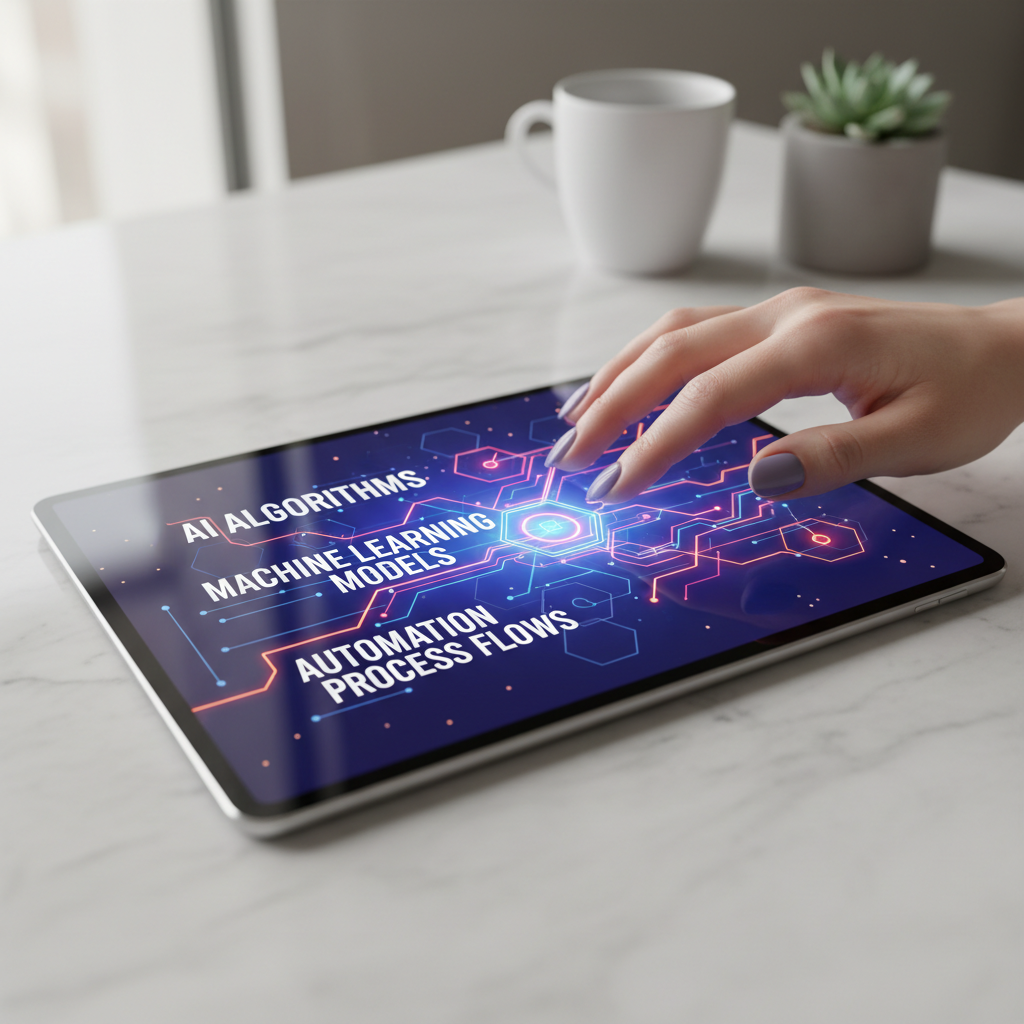
Before introducing AI, assess your current technological infrastructure. Determine if your systems can support AI technologies or if upgrades are necessary. Evaluate your data management practices, as AI relies heavily on data quality and accessibility. Ensuring your data is organized and secure will facilitate smoother integration.
Engage with IT specialists to review your current setup and identify potential gaps. This collaboration will help you determine the scope of changes required and set a realistic timeline for implementation.
Building a Skilled Team
AI integration requires a team with diverse skills. Consider hiring or training employees in areas such as data analysis, machine learning, and software development. Investing in your team's education will empower them to effectively manage and maintain AI systems.
Additionally, fostering a culture of innovation and continuous learning will encourage your team to embrace AI technologies and adapt to changes more efficiently.

Developing a Clear Strategy
A well-defined strategy is essential for successful AI integration. Begin by setting clear objectives for what you want to achieve with AI. Whether it's increasing productivity or enhancing customer engagement, having specific goals will guide your implementation process.
Consider creating a roadmap that outlines each phase of integration, from initial planning to full deployment. This will help track progress and ensure alignment with your business goals.
Choosing the Right AI Tools
With numerous AI tools available, selecting the right ones for your business is crucial. Research different options and evaluate them based on your specific needs and budget. Look for tools that are user-friendly and offer robust support and training resources.
Consider piloting a few tools before committing to a full-scale rollout. This will allow you to test their effectiveness and make necessary adjustments without significant risk.

Ensuring Data Privacy and Compliance
As you integrate AI, be mindful of data privacy and compliance regulations. Ensure that your AI systems adhere to relevant laws and guidelines to protect customer information and maintain trust.
Regularly review and update your privacy policies, and consider implementing stronger data protection measures. This proactive approach will safeguard your business and its reputation.
Continuous Monitoring and Improvement
AI integration is not a one-time event; it requires ongoing monitoring and optimization. Regularly assess the performance of your AI systems and make adjustments as needed. Gathering feedback from your team and customers will provide valuable insights for improvements.
Stay informed about the latest AI trends and advancements to keep your business at the forefront of technology innovation.

Embracing the Future
Integrating AI into your business is an exciting opportunity to enhance operations and drive growth. By preparing effectively, you can navigate the complexities of AI implementation and position your business for long-term success.
Embrace the challenges and opportunities AI presents, and you'll be well-equipped to lead your industry into the future.