The Future of AI Optimization: Trends to Watch

Understanding AI Optimization
As artificial intelligence continues to evolve, the focus on optimization becomes increasingly critical. AI optimization involves improving the efficiency and performance of AI models, ensuring they deliver accurate and timely results. This process is essential for enhancing the capabilities of AI systems in various applications, from healthcare to autonomous vehicles.

The Rise of Automated Machine Learning
One of the most promising trends in AI optimization is the rise of Automated Machine Learning (AutoML). AutoML aims to automate the complex and time-consuming process of building AI models, making it more accessible to non-experts. This trend is expected to democratize AI development, allowing businesses of all sizes to leverage AI technologies effectively.
AutoML tools can automatically select the best algorithms, tune hyperparameters, and even preprocess data. By streamlining these processes, AutoML can significantly reduce the time and resources required to deploy AI solutions.

Energy Efficiency in AI
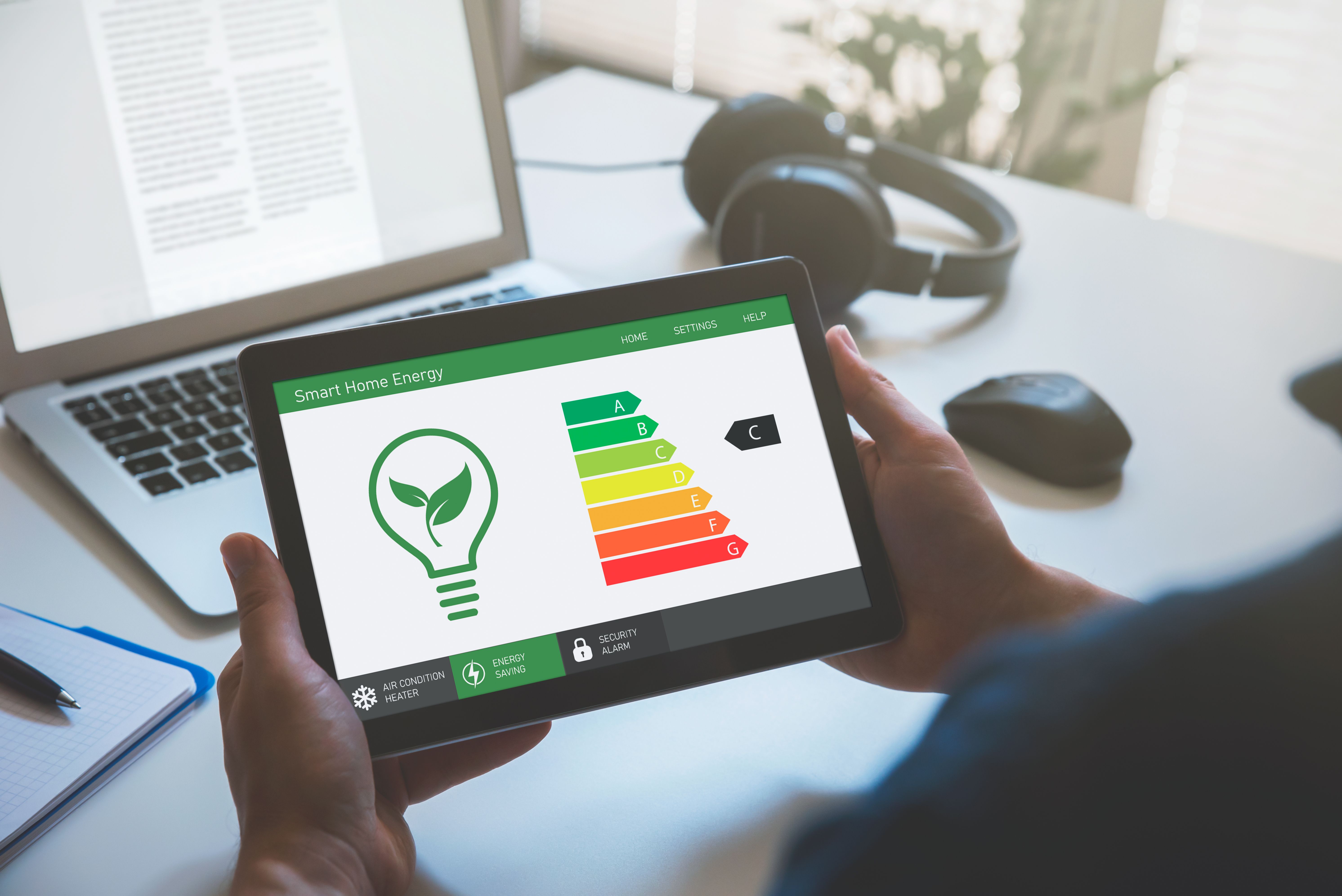
With the increasing deployment of AI systems, energy consumption has become a significant concern. As a result, optimizing AI for energy efficiency is a critical trend to watch. Researchers are focusing on developing models that require less computational power, thus minimizing their carbon footprint.
Techniques such as model pruning, quantization, and the use of specialized hardware like AI accelerators are being explored to achieve greater energy efficiency. These approaches not only help in reducing costs but also contribute to more sustainable AI practices.
Ethical AI Optimization
As AI systems become more widespread, ethical considerations are paramount. Optimizing AI for fairness, transparency, and accountability is a growing focus. Ensuring that AI models do not perpetuate biases or make unfair decisions is essential for gaining public trust and acceptance.
Developers are increasingly incorporating ethical guidelines into the optimization process, using techniques such as explainable AI (XAI) to make AI decisions more transparent and understandable.
Real-Time AI Processing
Real-time processing is becoming more crucial as AI applications move from research labs to real-world environments. Optimizing AI for real-time performance involves reducing latency and improving response times, which is vital for applications like autonomous driving and real-time language translation.

Edge computing plays a significant role in this trend, allowing AI models to run closer to the data source. This reduces the need for data to travel back to centralized servers, thus speeding up processing and improving efficiency.
The Future of AI Optimization
The future of AI optimization is bright, with advancements in technology paving the way for more efficient and effective AI systems. As these trends continue to evolve, businesses and developers must stay informed and adapt to leverage the full potential of AI.
By focusing on automation, energy efficiency, ethics, and real-time processing, organizations can ensure that their AI solutions are not only powerful but also sustainable and responsible.